 ██████████                               █████       ██████████   █████████   ███████████
░░███░░░░███                             ░░███       ░░███░░░░░█  ███░░░░░███ ░░███░░░░░███
 ░███   ░░███  ██████   ██████  ████████  ░███        ░███  █ ░  ░███    ░███  ░███    ░███
 ░███    ░███ ███░░███ ███░░███░░███░░███ ░███        ░██████    ░███████████  ░██████████
 ░███    ░███░███████ ░███████  ░███ ░███ ░███        ░███░░█    ░███░░░░░███  ░███░░░░░░
 ░███    ███ ░███░░░  ░███░░░   ░███ ░███ ░███      █ ░███ ░   █ ░███    ░███  ░███
 ██████████  ░░██████ ░░██████  ░███████  ███████████ ██████████ █████   █████ █████
░░░░░░░░░░    ░░░░░░   ░░░░░░   ░███░░░  ░░░░░░░░░░░ ░░░░░░░░░░ ░░░░░   ░░░░░ ░░░░░
                                ░███
                                █████
                               ░░░░░
Overview
DeepLEAP (Deep-sequence Long-read Envelope Alignment Pipeline) is a Nextflow pipeline for codon-aware multiple sequence alignment of long-read sequencing data. We developed it at the HIV Diversity Laboratory at the University of Cape Town primarily for our own internal use, but we've made it available here in case it could benefit anyone else.
Background
HIV envelope sequences present a particular challenge for alignment pipelines. The envelope gene contains overlapping reading frames (regions that can be in-frame or out-of-frame depending on context) meaning that aligners tend to introduce or misplace gaps in a way that breaks the codon structure of the sequence. Once codon structure is broken, downstream analyses (phylogenetics, selection pressure, protein structure prediction) become unreliable.
DeepLEAP attempts to handle this through three steps:
- Trim — extract the coding region of interest from quality-filtered reads, handling overlapping or complex reading frame structures
- Filter — screen out "non-functional" sequences: those carrying early stop codons that would prevent the production of a viable viral protein
- Align — produce a codon-aware multiple sequence alignment via "backtranslation" using one of a few different aligners.
Although DeepLEAP was built and validated around HIV envelope sequences, the pipeline is general enough to be applied to other viral coding sequences. Users working outside of HIV should treat it as experimental and validate outputs carefully.
Pipeline Overview
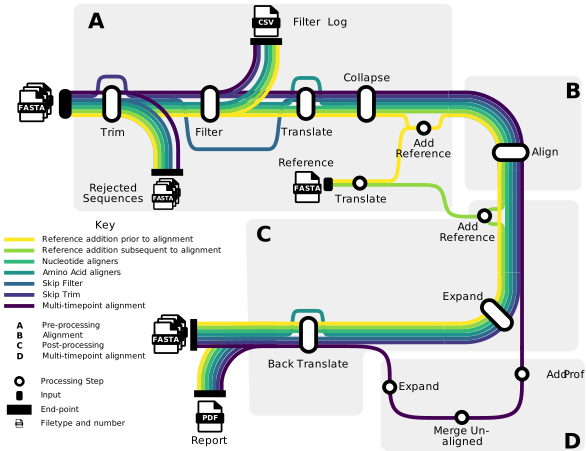
Stage 1 — Preprocessing (Trim)
Input sequences are quality-filtered reads provided as FASTA files. They are mapped to a reference sequence and trimmed to the region of interest. The default and recommended method is minimap2, which is fast and accurate for the majority of use cases. An alternative method, AGA, is available for sequences with particularly complex overlapping reading frame structures, but is slower and experimental — it should only be used if you have a specific reason to do so.
Stage 2 — Functional Filtering
Before alignment, DeepLEAP screens sequences for functionality. In the context of viral sequences, a "functional" sequence is one that could plausibly produce a protein capable of contributing to a viable, infectious virus. The primary criterion is the absence of premature stop codons: a stop codon early in the reading frame is a strong indicator that the sequence is either defective, hypermutated, or an artifact of sequencing.
A note on the filtering approach
This is a deliberately naive approach to functional filtering — it does not model protein folding, receptor binding, or other biological criteria. For our purposes (HIV envelope sequences from clinical samples) early stop codon screening is a reliable and sufficient proxy for functionality. If you are applying DeepLEAP to a different system, consider whether this criterion is appropriate for your data.
Sequences that fail the functional filter are not discarded — they are written to a separate
rejected_sequences output directory so they can be inspected.
Skipping the functional filter
The filter can be disabled with --skip_functional_filter. This may be appropriate if
you are working with defective sequences intentionally, or if you want to align all
sequences and filter downstream.
Stage 3 — Alignment
The filtered sequences are aligned using the aligner of your choice. DeepLEAP supports a wide range of aligners:
| Aligner | Notes |
|---|---|
| MAFFT (default) | Fast and accurate; recommended for most datasets |
| MAFFT-SEED | MAFFT with a seed alignment; useful for very large datasets |
| MUSCLE | Good general-purpose aligner |
| MUSCLE-FAST | MUSCLE's Super5 algorithm; faster, for very large datasets |
| PROBCONS | Probabilistic consistency-based; accurate but slower |
| T-Coffee | High accuracy; slower on large datasets |
| T-Coffee Regressive | Scalable T-Coffee variant for large datasets |
| PRANK | Phylogeny-aware; recommended when evolutionary distances are large |
| Clustal Omega | Fast; good for large numbers of sequences |
| ClustalW | Classic aligner; included for reproducibility with older workflows |
| VIRULIGN | Codon-aware aligner specifically designed for viral sequences |
| MACSE | Codon-aware aligner that handles frameshifts |
| PAGAN | Phylogeny-aware progressive aligner |
A dedicated guide to choosing an aligner for your dataset is available in the Aligner Reference.
Key Features
- Codon-aware alignment — gaps are introduced at codon boundaries, preserving reading frame integrity for downstream analyses
- Functional sequence filtering — removes defective sequences before alignment, reducing noise in the final output
- Flexible preprocessing — MINIMAP2 for standard workflows; AGA for complex reading frames
- Portable — runs locally, on SLURM-based HPC clusters, or in cloud environments with no software to install beyond Nextflow and a container runtime
- Containerised — all tools run inside Docker, Singularity, or Apptainer containers; results are fully reproducible across systems
- Scalable — designed to handle large cohorts with many samples
Prerequisites at a Glance
You need two things installed on your system before running DeepLEAP:
- Nextflow ≥ 25.04.2 (requires Java)
- A container runtime — one of Docker, Singularity, or Apptainer No other local software installation is required. All pipeline tools are packaged in containers.
Using These Docs
These docs are written for two audiences. If you're not sure which path is right for you:
You will probably interact with DeepLEAP through the web frontend. Head to the Frontend Guide to get set up, or read the Getting Started page if you plan to run from the command line.
Start with Installation and Running the CLI, then consult the Parameter Reference for full configuration options. The Developer Guide covers the pipeline internals, how to add a site-specific compute profile, and how to contribute. If you want the biological and algorithmic reasoning behind the pipeline's design, see Background.
Known Limitations
- Validation scope — DeepLEAP has been developed and tested primarily on HIV envelope sequences. Application to other organisms or gene regions is possible but should be treated as experimental; validate your outputs carefully.
- Aligner upper bounds — DeepLEAP does not modify the underlying aligners. The practical upper limit on dataset size is therefore determined by whichever aligner you choose.
- Process-level tests — formal per-module test coverage is not yet fully implemented.
The
testprofile runs an end-to-end integration test using the sample dataset, but individual process unit tests are a work in progress.
Source Code & Issues
DeepLEAP is open source. The source code is available on GitHub. Bug reports and feature requests can be submitted via the issue tracker.